
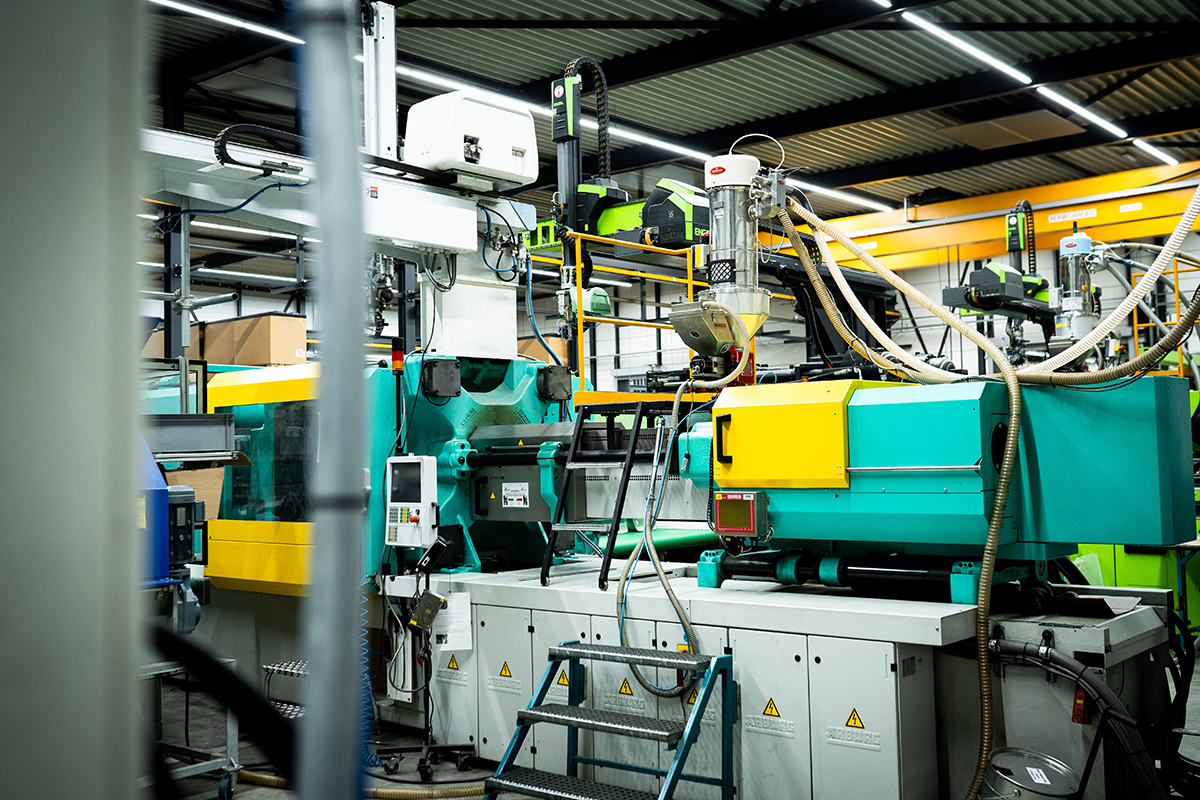
How does injection moulding work?
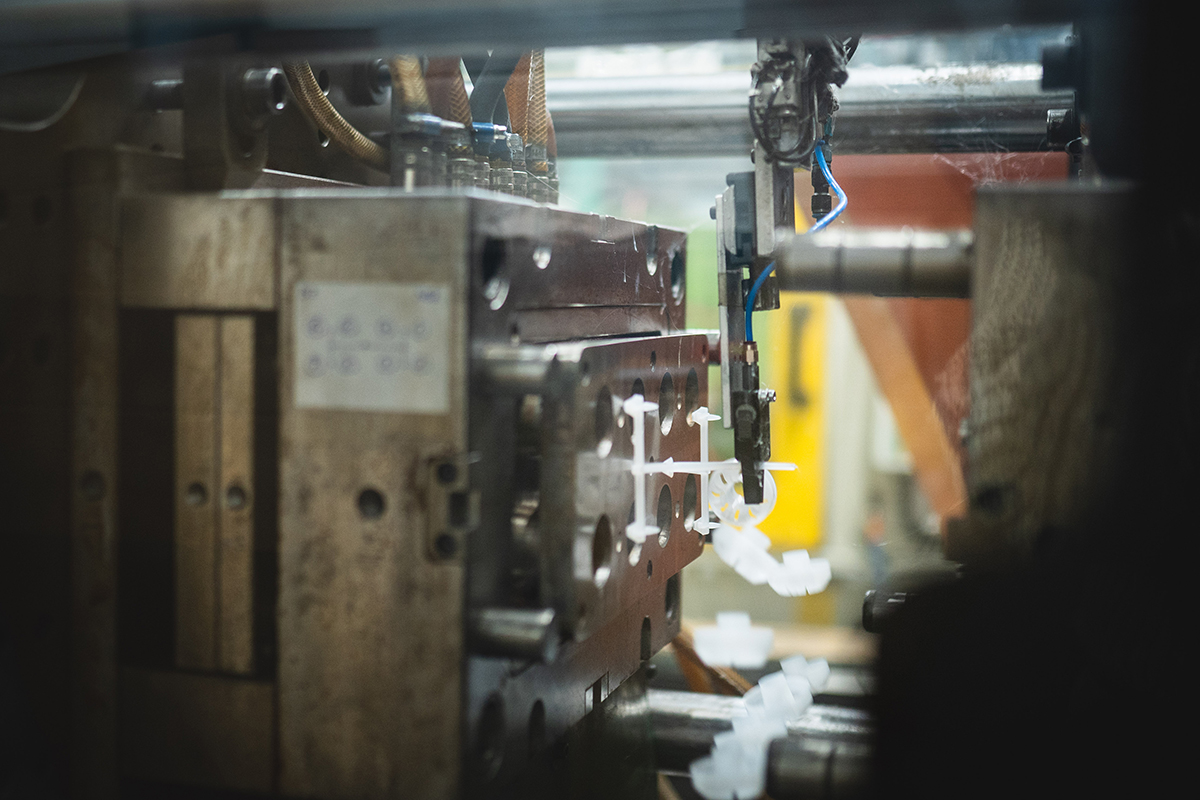
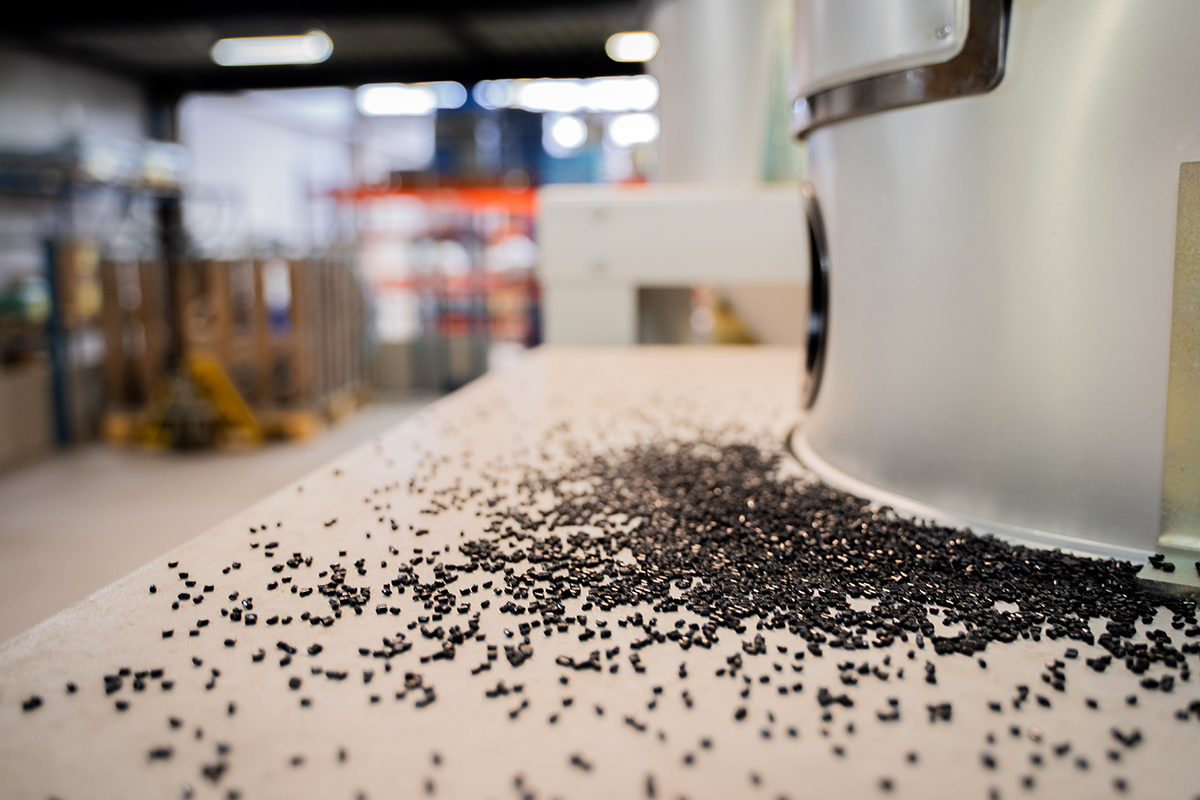
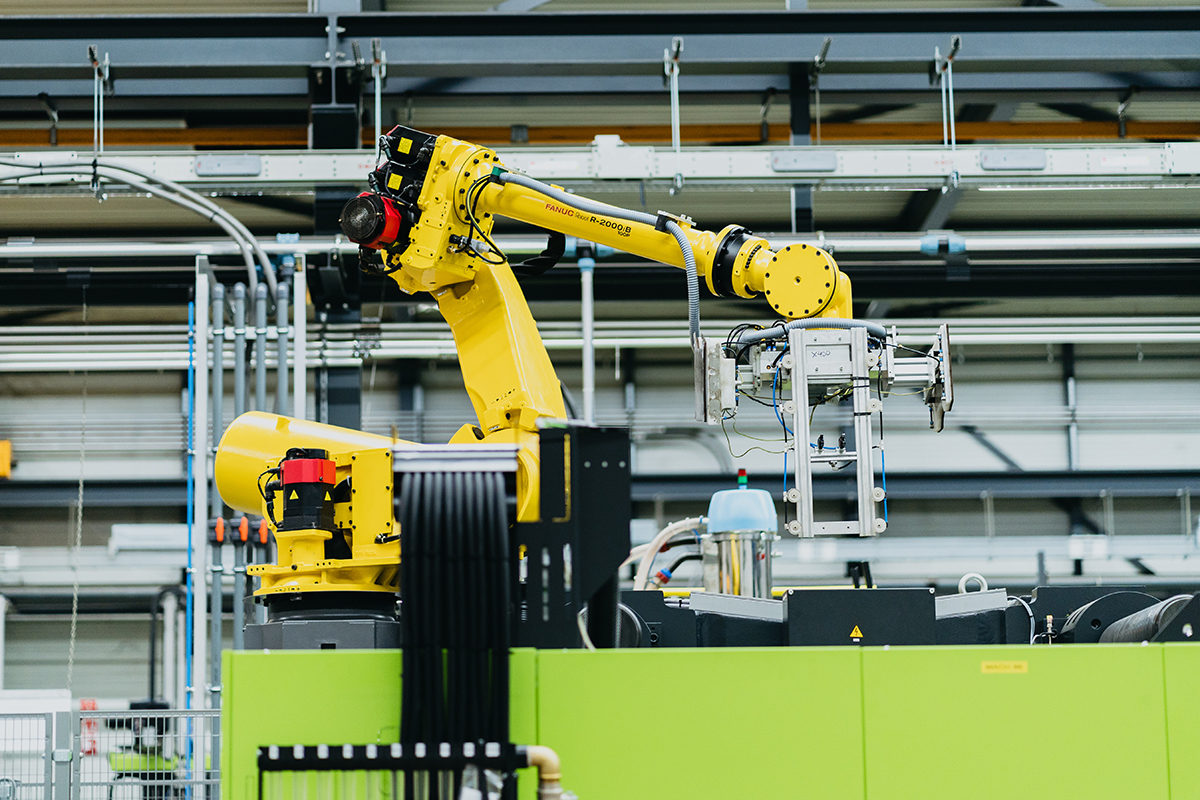
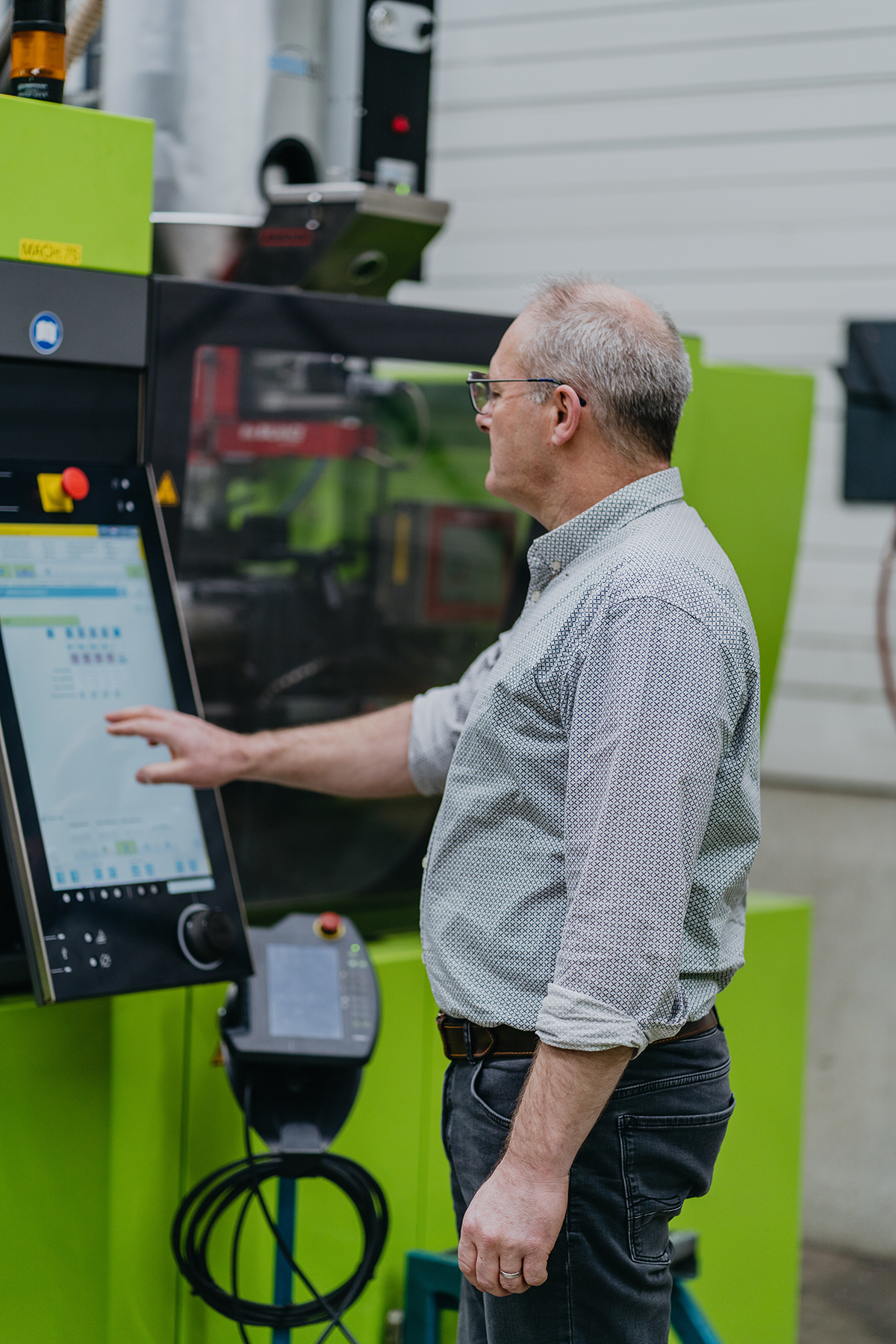
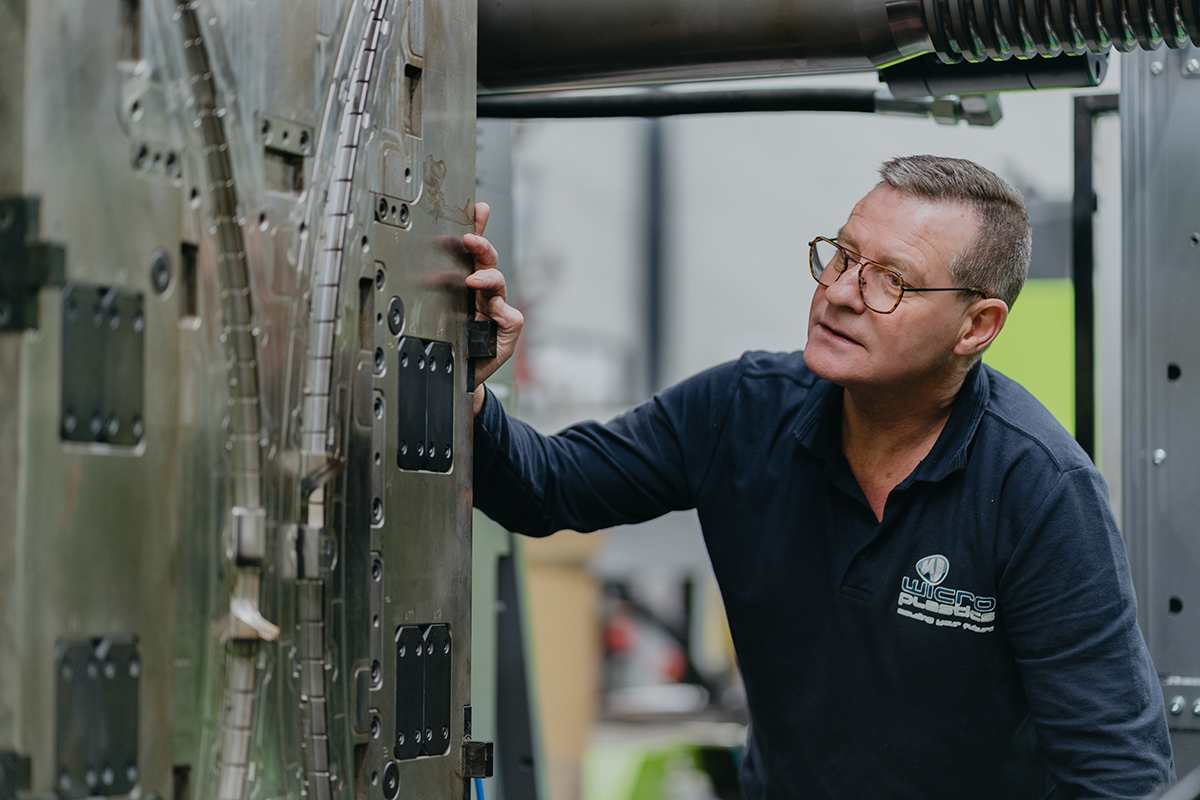
Injection moulding is a highly automated manufacturing process, making it possible to produce large volumes in a relatively short time. During the process, thermoplastics are heated until they melt into a molten plastic mass. This material is then injected under high pressure into an injection mould. Every mould is unique and specifically designed for the product or component being manufactured.
While the plastic is injected at a very high temperature, the mould itself is kept cool. As a result, the plastic solidifies quickly and takes on the exact shape of the mould.
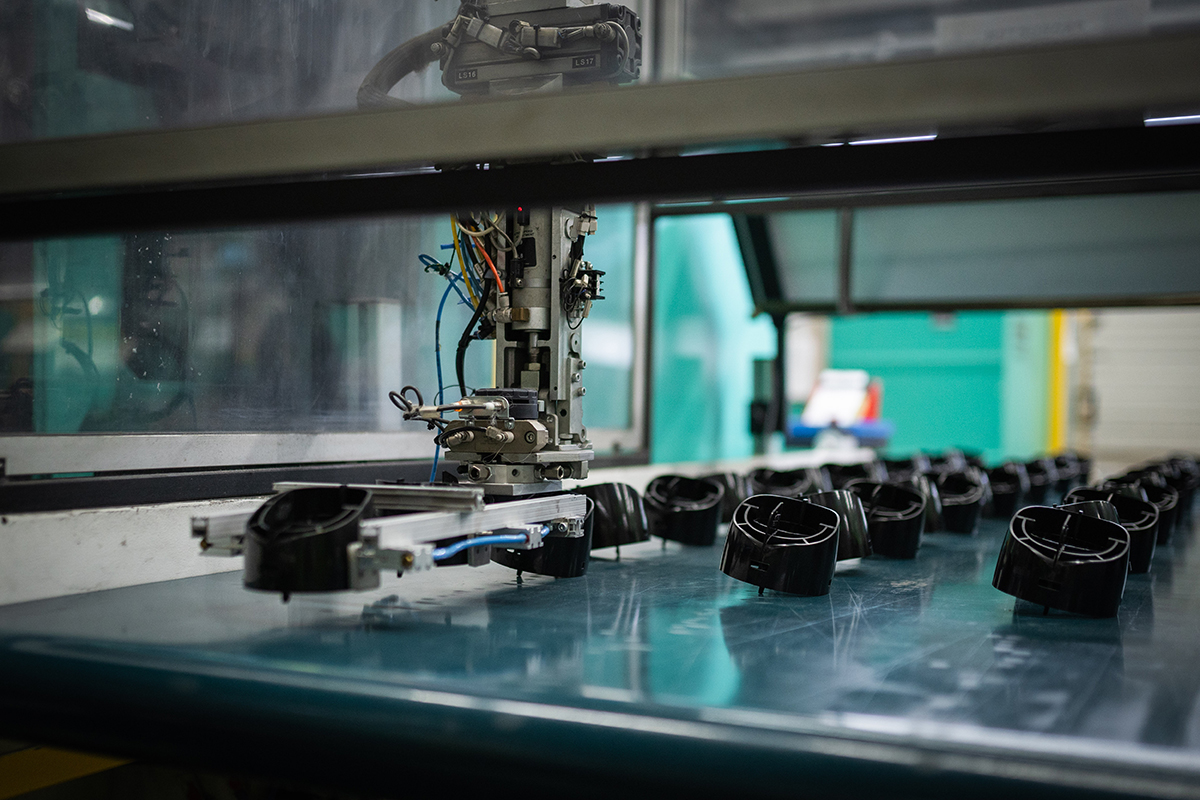
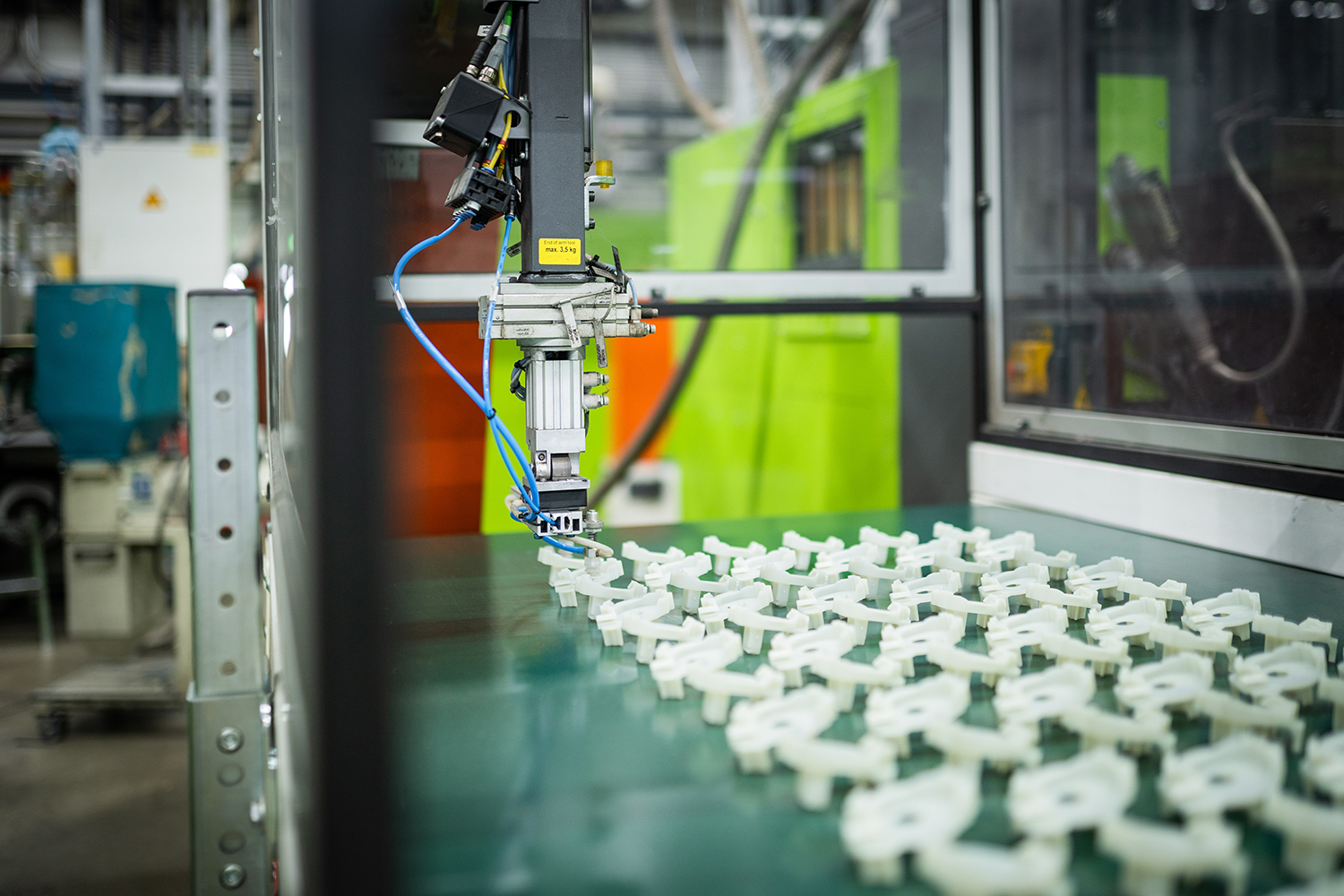
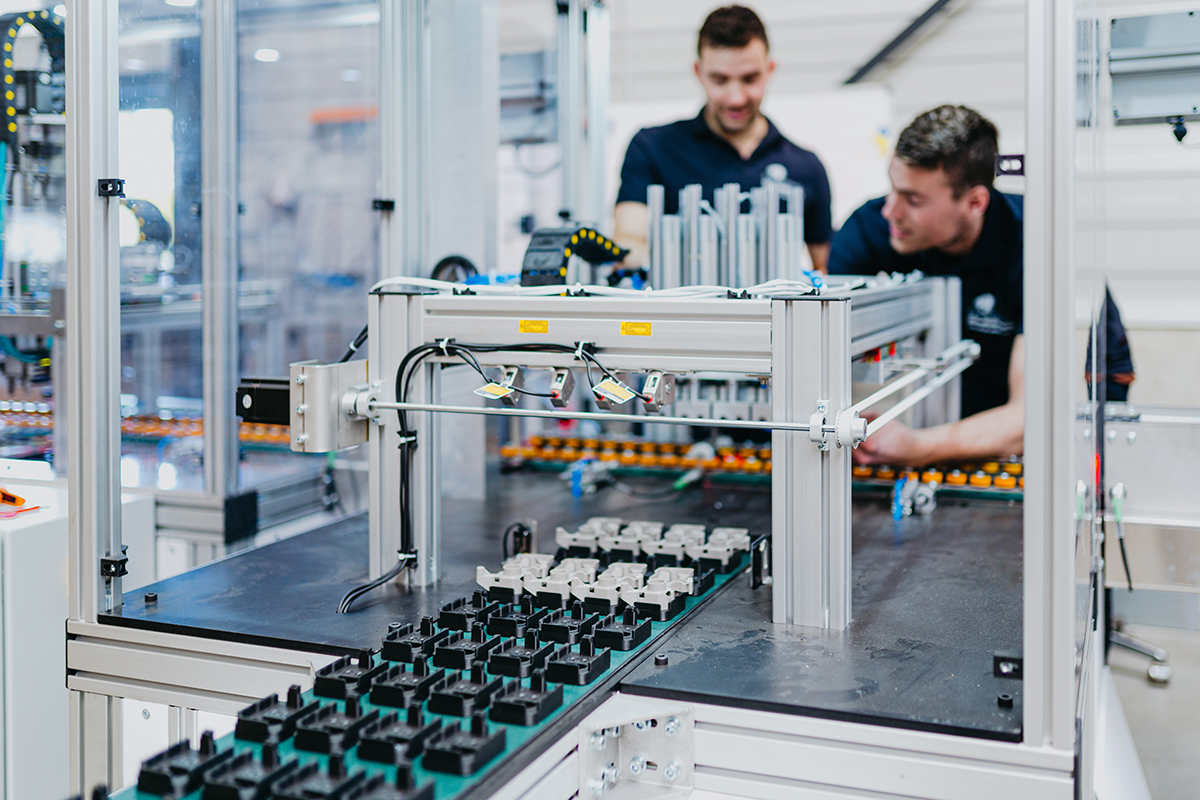
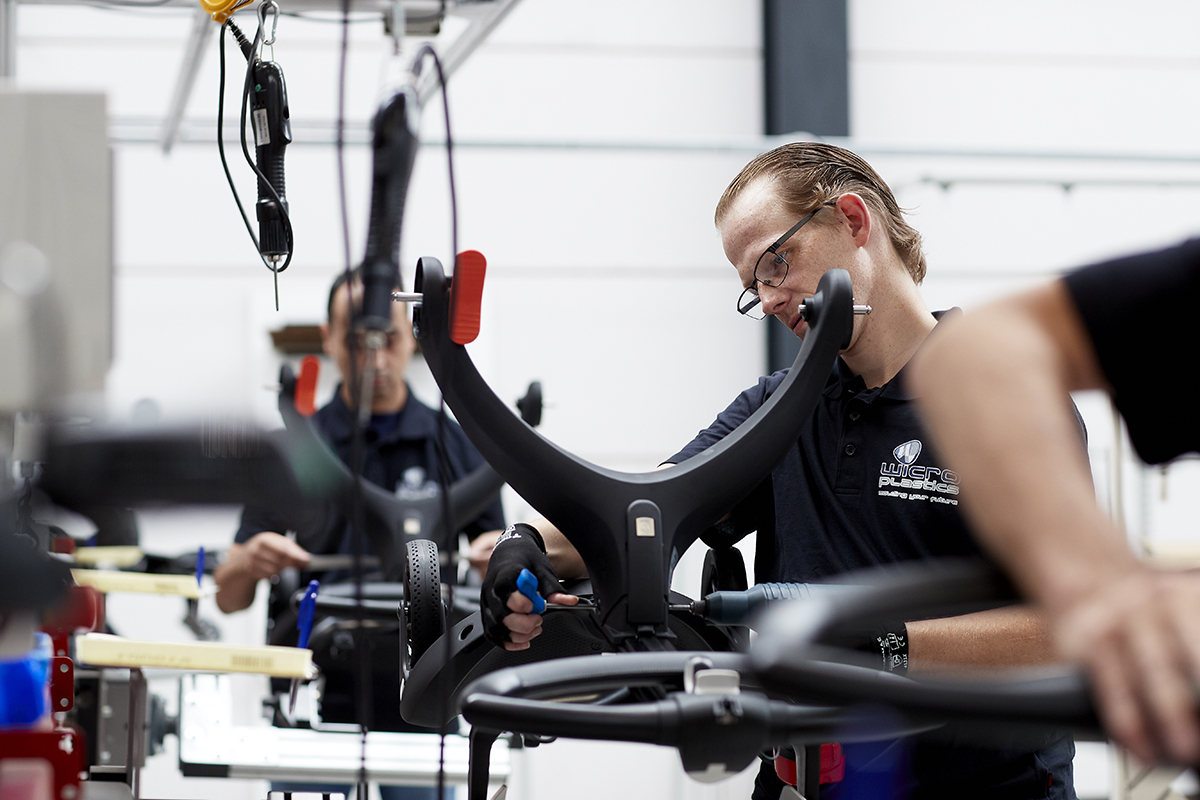
Depending on the wall thickness of the product, the plastic requires a certain amount of time to cool and fully solidify. Once the cycle is complete, the mould opens and the finished part is ejected. Thanks to highly accurate moulds, advanced process control and high clamping forces, little to no post-processing is required. Components can often be assembled or used immediately.
Before the first component is produced, several important steps must be completed. These include designing the product, developing the injection mould and selecting the most suitable plastic material for the application.